
Rocket Water Ballast System
Designed and built a functioning water ballast payload for BYU Rocketry's Experimental High Power Team. The system ejected 2 kg of water during post-apogee descent and flew on BYU's first hybrid rocket launch. This project highlights systems integration, mechanical design, fabrication, and team-based aerospace development.
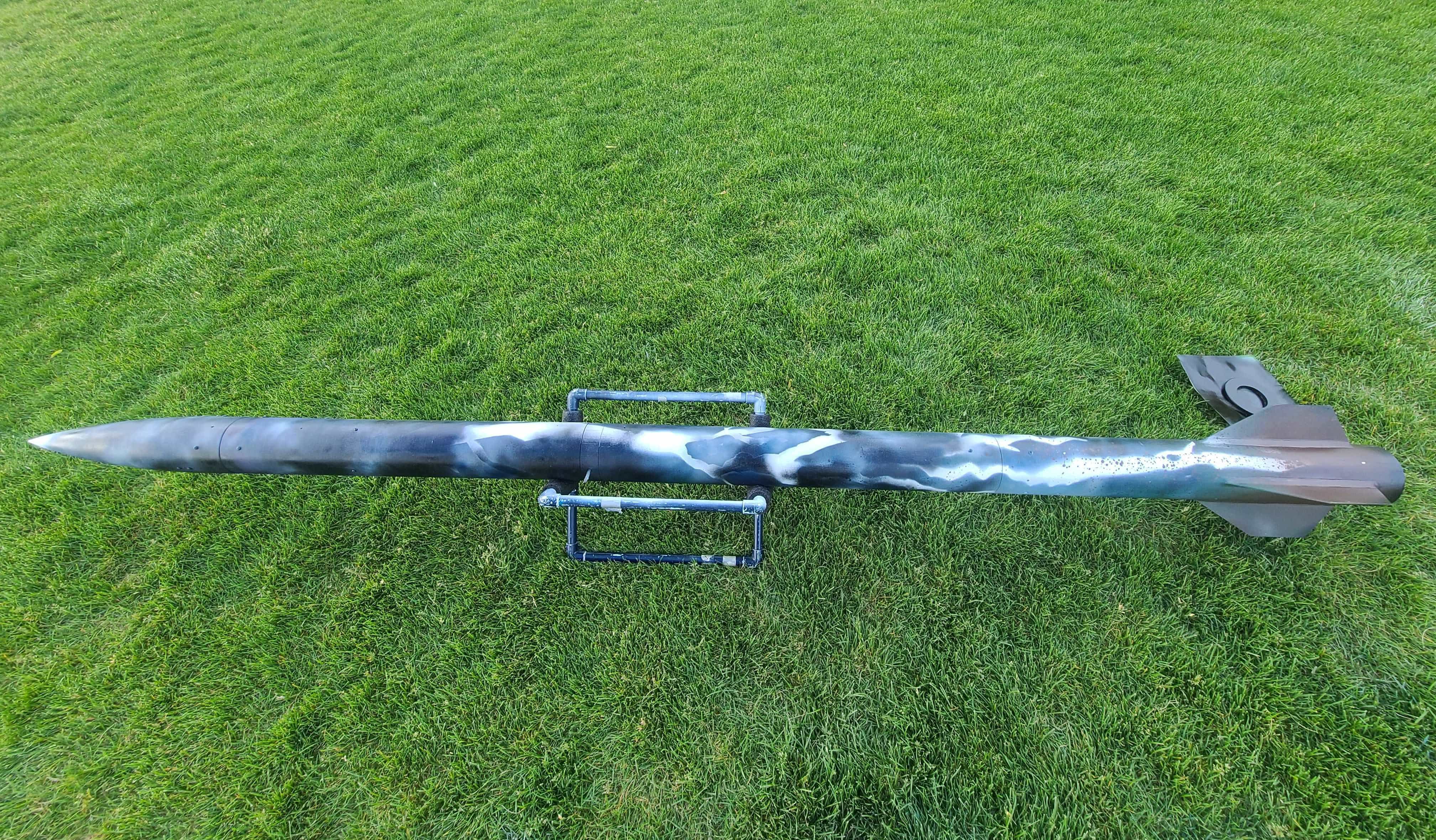
Overview
I followed a complete engineering design process to create a functioning water-ejection system for a high-altitude rocket. The system ejects 2 kg of water in 90 seconds from a 6-inch-diameter rocket during post-apogee descent.
I was one of four payload engineers on the Experimental High Power Team. In addition to payload work, I also supported overall rocket creation, coordination, and launch preparation.
This was the first time BYU Rocketry launched a hybrid motor vehicle, and the launch was covered in local news.
Key Contributions
- Helped design and integrate a water ballast payload for BYU’s first hybrid rocket
- Supported successful launch and recovery during the 2025 FAR-OUT competition
- Assisted with fabrication and integration using a custom launch trailer and student-built rocket systems
Timeline
- Duration: September 2024 - April 2025
- Total time: 50 hours
- Time commitment: 1-2 hours per week across two semesters
Results
Preparation and Design
In two technical design presentations (PDR and CDR), our rocket and payload designs were iteratively improved before construction began.
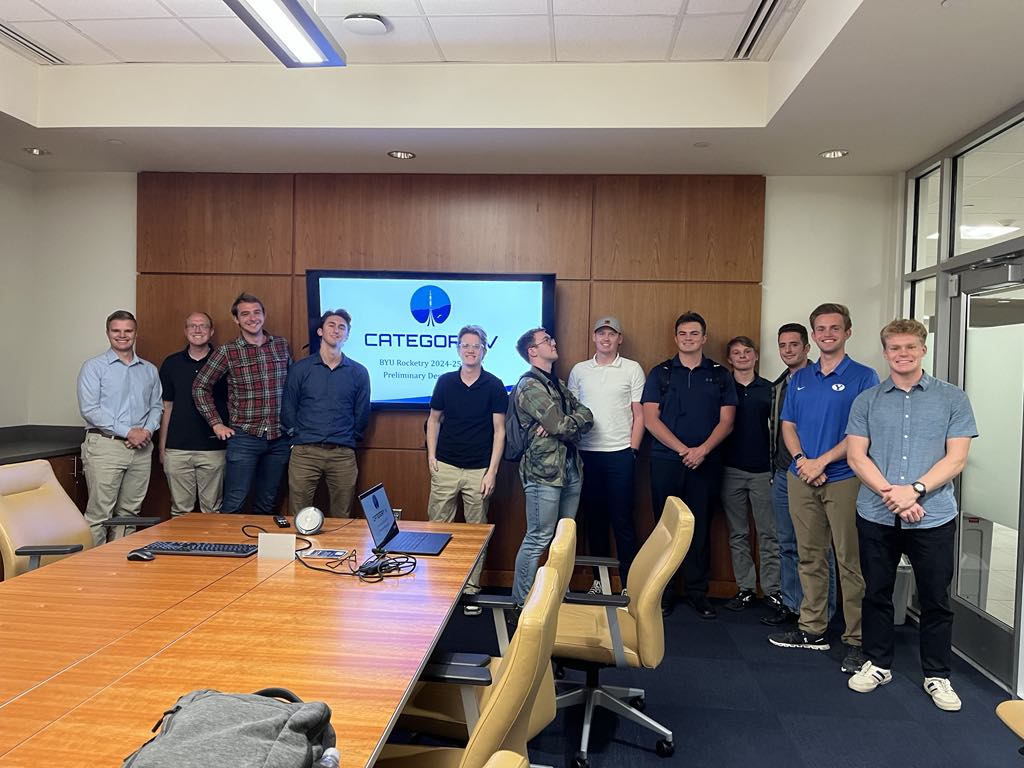
The Experimental High Power Team of 2024-2025
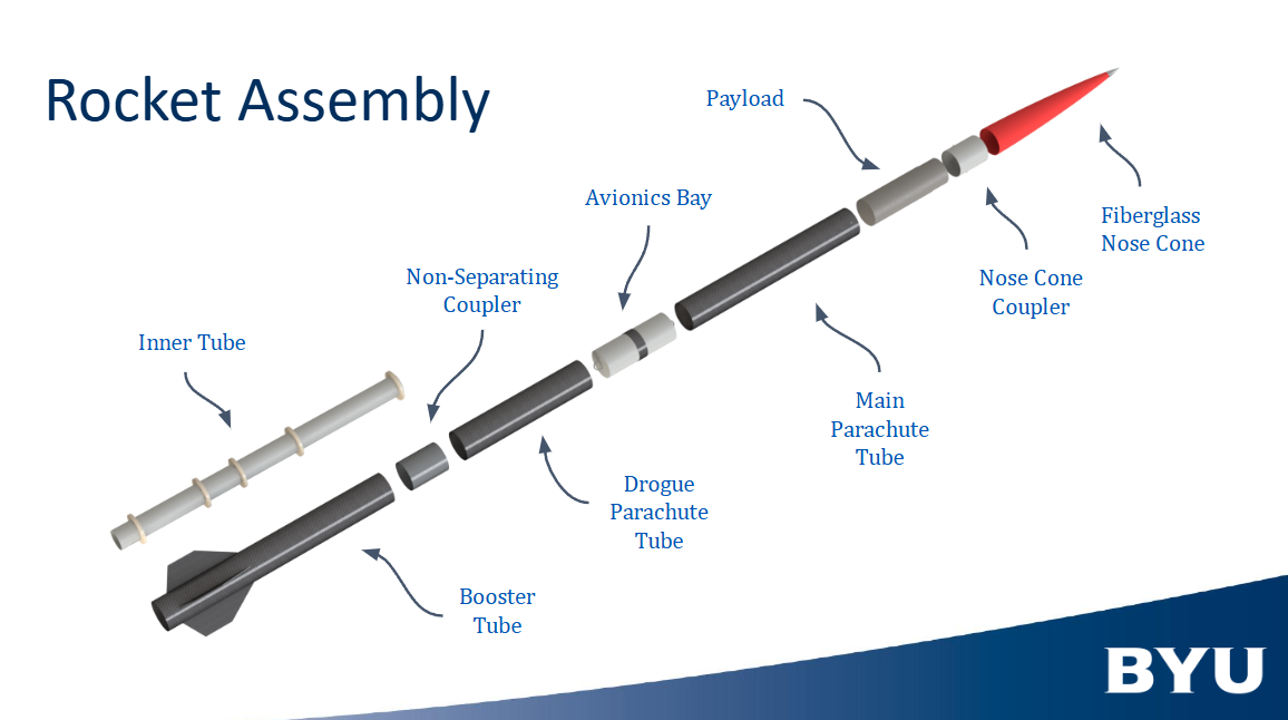
Overview of rocket internals
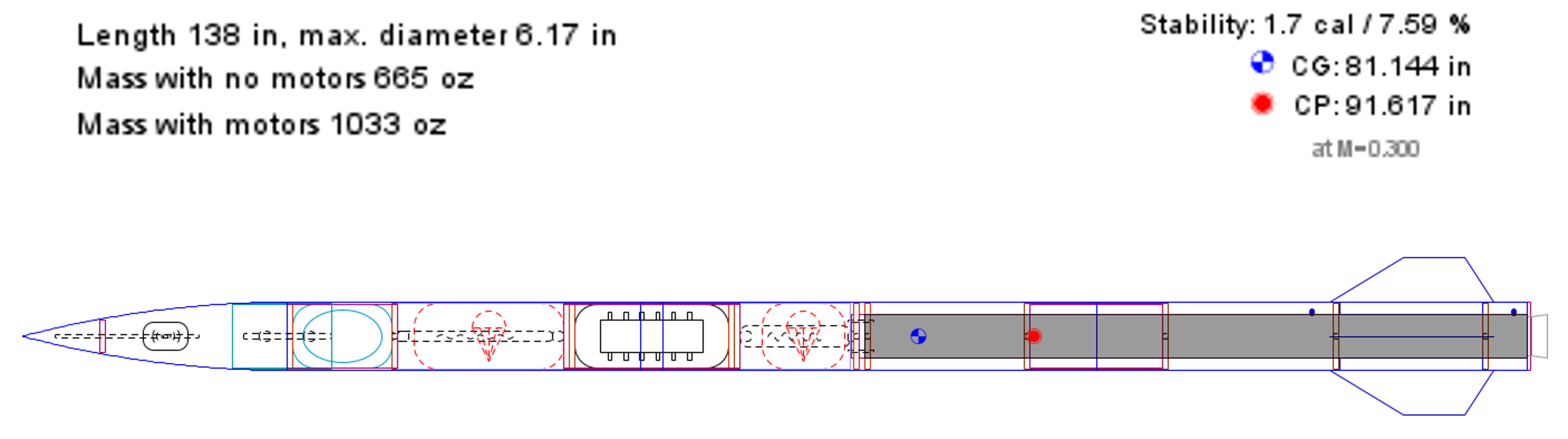
Design and analysis of the rocket in OpenRocket
Our initial design used a container of water pressurized by a motor-plunger system to eject the stored water.
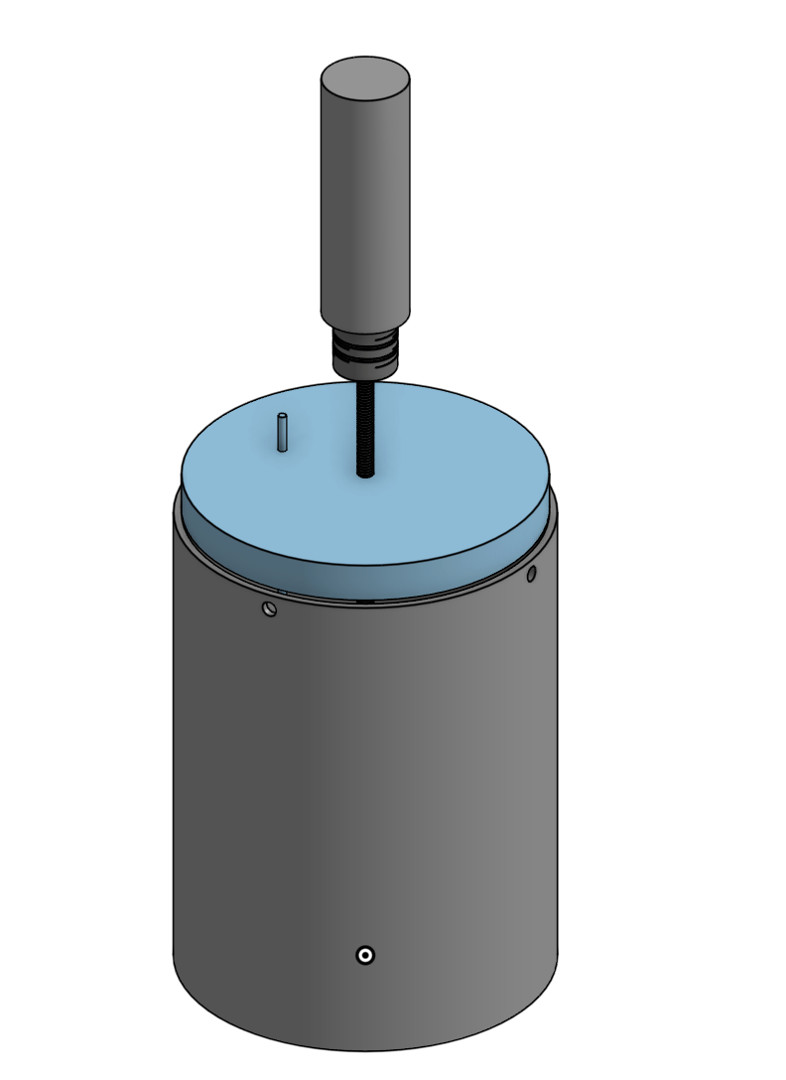
CAD model of the water-ejection system
Videos
Close-up view of launch
Rocket reaching an apogee of roughly 6,000 feet
Hybrid Rocketry: BYU’s Experimental Team Takes Flight
Final Product
The final design consisted of three primary components once removed from the rocket.
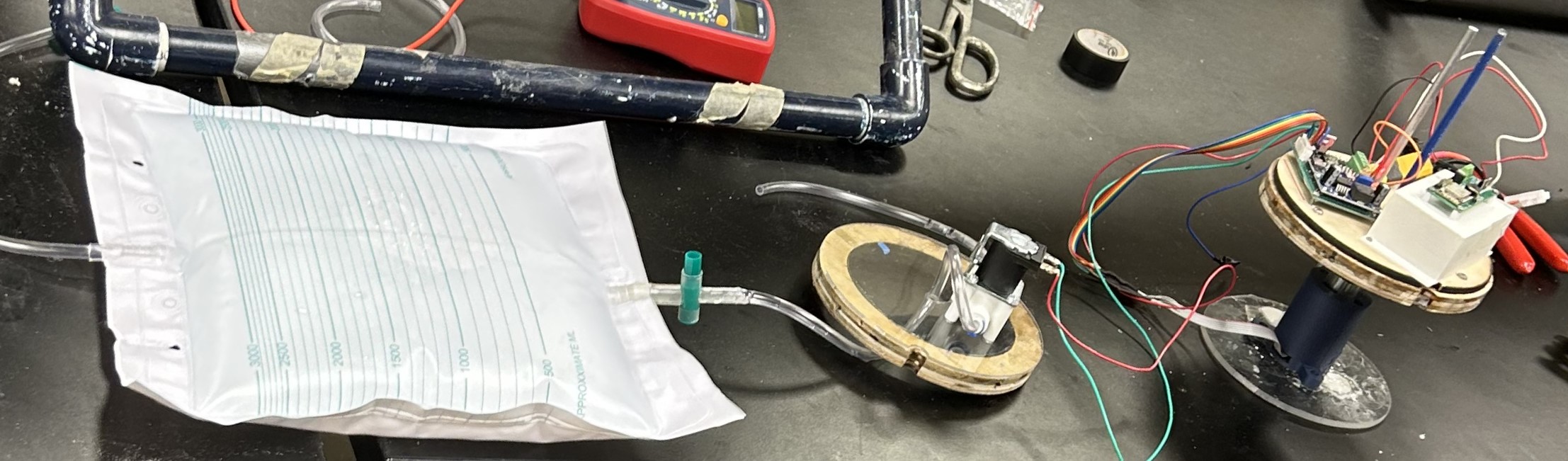
Complete water ballast system
Component overview from left to right:
- Water bag for flexible storage of up to 3 kg of water
- Top bulkhead fitted with a solenoid for water-valve control
- Plunger and bottom bulkhead attached to the motor, battery, and electronics
The water bag is sandwiched between the two bulkheads inside the rocket. During post-apogee descent, an altimeter activates the motor, the plunger extends, and the water exits through the solenoid and tubing.
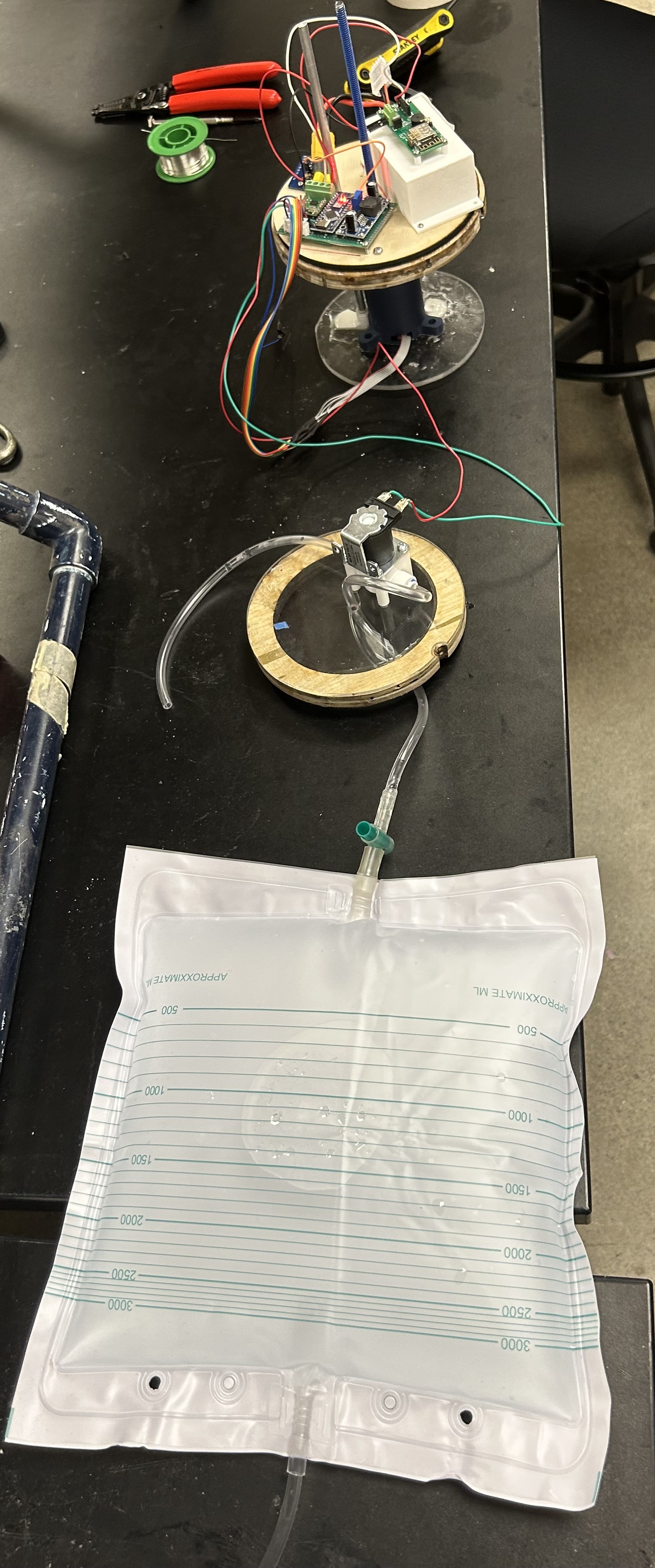
Top view of the water ballast system
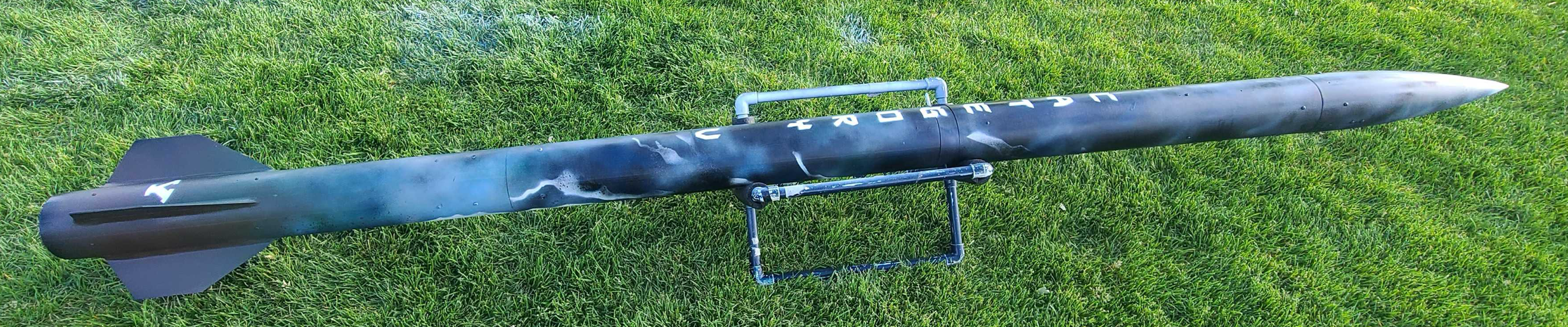
I also assisted with the production of carbon-fiber rocket tubes. The images below show the fully assembled and decorated rocket.
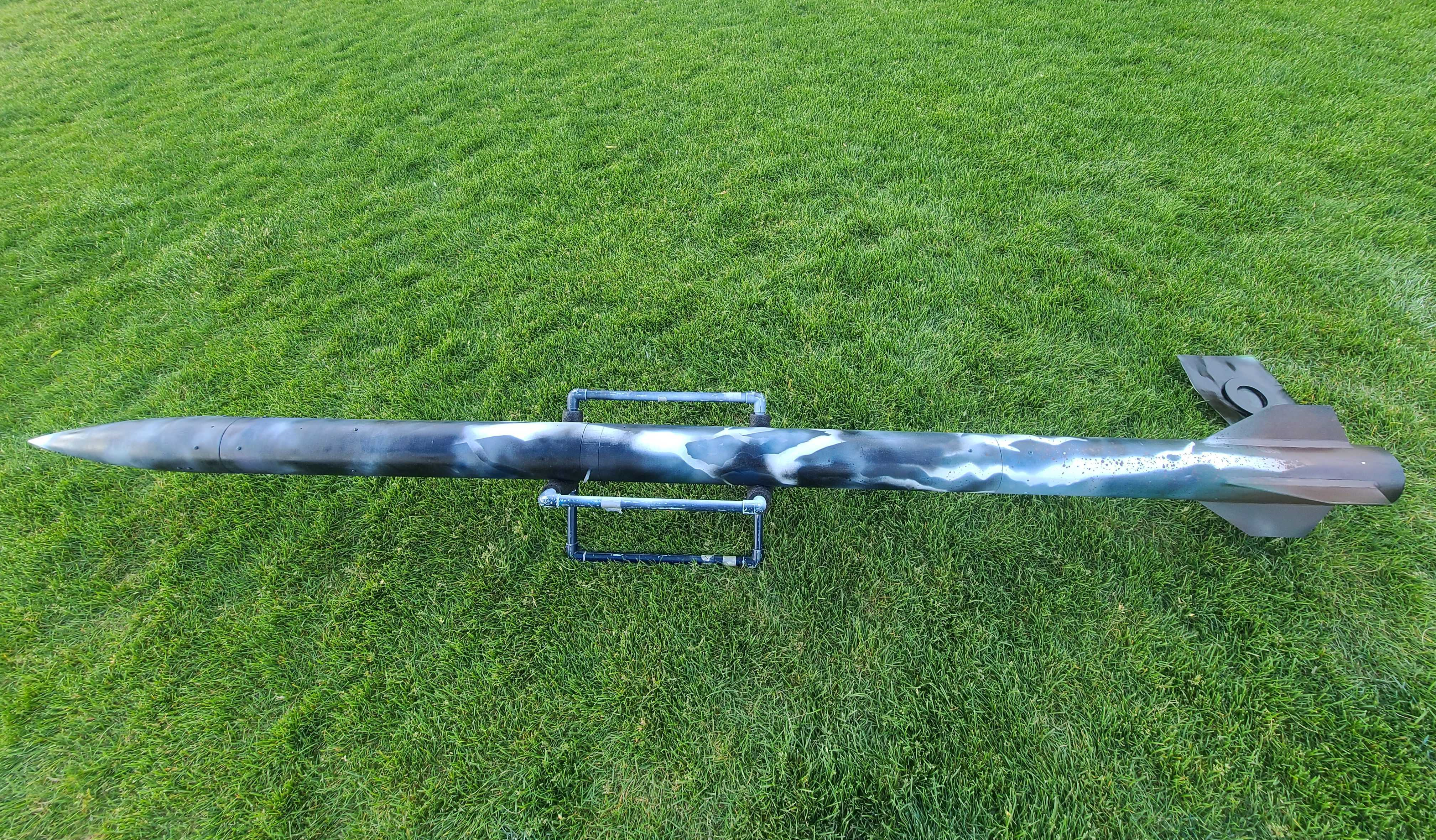
Rocket name: CATEGORY V